

Moving to or living in New York City? Understanding the true cost of living in New York is essential for making smart financial decisions. This comprehensive guide breaks down every expense you’ll encounter, from rent and groceries to hidden costs most people don’t talk about. Whether you’re budgeting for your first apartment or trying to save more money, you’ll find real numbers, practical strategies, and honest assessments of what it actually takes to live in the five boroughs.
Table of Contents
Quick Overview: NYC Cost of Living at a Glance
The cost of living in New York is notoriously high, but the actual numbers might surprise you. Here’s what you need to know right away:
The Bottom Line Numbers
For a single person living in NYC, expect to spend approximately $1,660 per month excluding rent, or $4,200-$6,500 per month including housing depending on your neighborhood choice. A family of four should budget around $6,200 monthly for non-housing expenses, with total costs ranging from $8,800-$14,000 per month depending on location and lifestyle.
How NYC Compares:
- 132% more expensive than the national average overall
- 404% higher housing costs than national average
- 17% more for groceries than typical American cities
- 48% higher healthcare costs
- 20% more expensive transportation
NYC vs. Other Major Cities
| City | Overall Cost Comparison | Average 1BR Rent |
|---|---|---|
| New York City | Baseline (100%) | $2,400-$4,400 |
| San Francisco | 95-105% of NYC | $2,300-$3,800 |
| Boston | 85-90% of NYC | $2,400-$3,200 |
| Los Angeles | 75-85% of NYC | $2,100-$3,000 |
| Washington DC | 80-90% of NYC | $2,200-$3,100 |
| Chicago | 60-65% of NYC | $1,500-$2,200 |
| Philadelphia | 55-60% of NYC | $1,300-$1,900 |
Key Expense Categories
Understanding the cost of living in New York means knowing where your money goes:
- Housing: 35-50% of monthly budget
- Food: 15-25% of monthly budget
- Transportation: 5-15% of monthly budget
- Healthcare: 8-12% of monthly budget
- Entertainment: 5-10% of monthly budget
- Miscellaneous: 10-15% of monthly budget
The biggest shock for most people isn’t just the high rent—it’s the cumulative effect of paying premium prices for everything from haircuts to dry cleaning to a simple cup of coffee.
Housing Costs: The Complete Breakdown
Housing dominates the cost of living in New York more than any other factor. Let’s break down exactly what you’ll pay across all five boroughs.
Renting in NYC: Current Market Prices
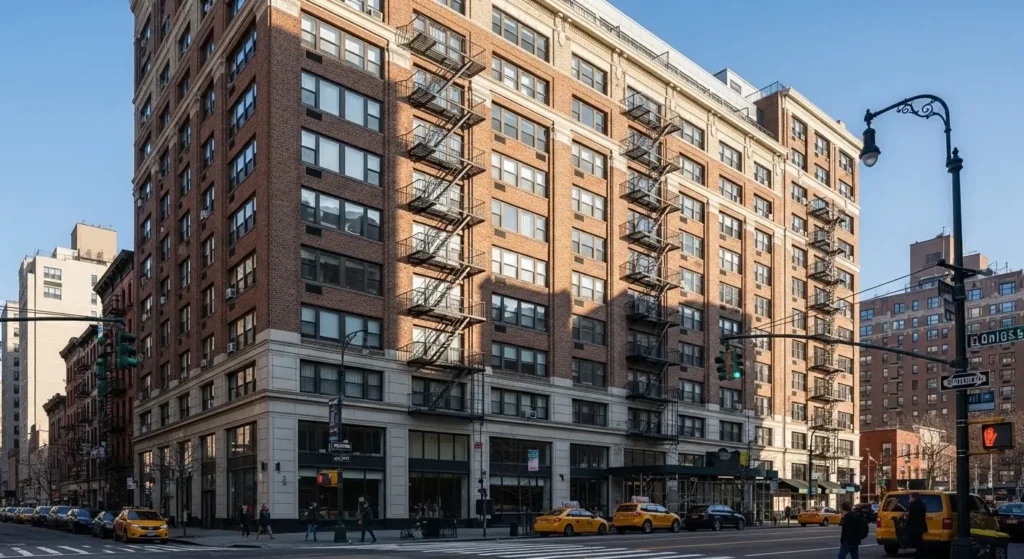
The rental market varies dramatically depending on location. Here’s what you can expect to pay:
Manhattan Rental Costs
Manhattan remains the most expensive borough, though prices vary significantly by neighborhood:
Average Monthly Rent by Apartment Size:
- Studio: $3,000-$3,800
- 1 Bedroom: $3,800-$5,200
- 2 Bedroom: $5,500-$7,800
- 3 Bedroom: $7,000-$12,000+
Manhattan Neighborhoods by Price Range:
Lower Cost Areas ($2,200-$3,500 for 1BR):
- Harlem: $2,400-$3,200
- Washington Heights: $2,200-$2,900
- Inwood: $2,000-$2,700
- East Harlem: $2,300-$3,100
Mid-Range Areas ($3,500-$5,000 for 1BR):
- Upper East Side: $3,600-$4,800
- Upper West Side: $3,800-$5,200
- Hell’s Kitchen: $3,400-$4,600
- East Village: $3,500-$4,800
- Morningside Heights: $3,200-$4,200
High-End Areas ($5,000-$8,000+ for 1BR):
- West Village: $5,200-$7,500
- Chelsea: $4,800-$6,800
- SoHo: $5,500-$8,200
- Tribeca: $5,800-$9,000+
- Financial District: $4,500-$6,500
- Murray Hill: $4,200-$5,800
Brooklyn Rental Costs
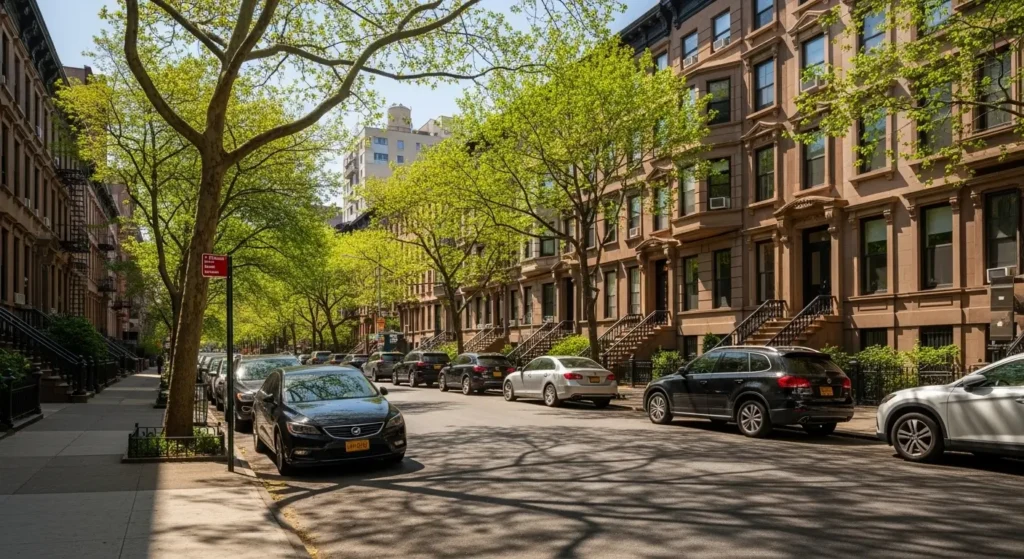
Brooklyn offers more space for your money while maintaining excellent quality of life:
Average Monthly Rent by Apartment Size:
- Studio: $2,200-$3,200
- 1 Bedroom: $2,600-$4,200
- 2 Bedroom: $3,400-$5,800
- 3 Bedroom: $4,500-$8,000
Brooklyn Neighborhoods by Price Range:
Budget-Friendly ($1,700-$2,400 for 1BR):
- Sunset Park: $1,800-$2,400
- Bay Ridge: $1,900-$2,500
- Flatbush: $1,700-$2,300
- Bensonhurst: $1,800-$2,400
- Sheepshead Bay: $1,900-$2,500
Mid-Range ($2,400-$3,500 for 1BR):
- Bed-Stuy: $2,400-$3,200
- Crown Heights: $2,300-$3,100
- Bushwick: $2,200-$3,000
- Prospect Lefferts Gardens: $2,400-$3,100
- Clinton Hill: $2,600-$3,400
- Fort Greene: $2,800-$3,800
Higher-End ($3,500-$5,500 for 1BR):
- Williamsburg: $3,600-$5,200
- Park Slope: $3,400-$4,800
- Brooklyn Heights: $3,800-$5,500
- DUMBO: $4,200-$6,000
- Cobble Hill: $3,600-$5,000
- Greenpoint: $3,200-$4,500
Queens Rental Costs
Queens delivers the best value in the cost of living in New York equation, offering spacious apartments with good transit access:
Average Monthly Rent by Apartment Size:
- Studio: $1,700-$2,400
- 1 Bedroom: $2,000-$3,000
- 2 Bedroom: $2,600-$3,800
- 3 Bedroom: $3,200-$5,000
Queens Neighborhoods by Price Range:
Most Affordable ($1,600-$2,200 for 1BR):
- Elmhurst: $1,800-$2,300
- Jackson Heights: $1,700-$2,200
- Flushing: $1,800-$2,400
- Woodside: $1,900-$2,400
- Corona: $1,600-$2,100
- Ridgewood: $2,000-$2,600
Mid-Range ($2,200-$2,800 for 1BR):
- Astoria: $2,400-$3,200
- Sunnyside: $2,200-$2,900
- Forest Hills: $2,300-$3,100
- Rego Park: $2,200-$2,900
- Kew Gardens: $2,100-$2,800
Higher-End ($2,800+ for 1BR):
- Long Island City: $3,000-$4,200
- Bayside: $2,200-$2,900
- Fresh Meadows: $2,100-$2,700
The Bronx Rental Costs
The Bronx offers the lowest rents in NYC, making it crucial for budget-conscious residents understanding the cost of living in New York:
Average Monthly Rent by Apartment Size:
- Studio: $1,400-$1,900
- 1 Bedroom: $1,600-$2,400
- 2 Bedroom: $2,000-$3,200
- 3 Bedroom: $2,400-$4,000
Popular Bronx Neighborhoods:
- Riverdale: $2,200-$3,400 (1BR)
- Fordham: $1,700-$2,300 (1BR)
- Pelham Bay: $1,800-$2,400 (1BR)
- Parkchester: $1,700-$2,200 (1BR)
- Morris Park: $1,600-$2,200 (1BR)
Staten Island Rental Costs
Staten Island provides suburban living within NYC limits:
Average Monthly Rent by Apartment Size:
- Studio: $1,300-$1,700
- 1 Bedroom: $1,500-$2,200
- 2 Bedroom: $2,000-$2,800
- 3 Bedroom: $2,400-$3,600
The Hidden Costs of Moving In
When calculating the cost of living in New York, most people forget about move-in expenses. Here’s the real breakdown:
Typical Move-In Costs for a $3,000/month Apartment:
- First Month’s Rent: $3,000
- Security Deposit: $3,000 (usually one month)
- Broker Fee: $4,500 (15% of annual rent is common)
- Application Fee: $100-$200
- Credit Check Fee: $50-$100
- Moving Company: $500-$2,000
- Utility Deposits: $100-$300
- Renter’s Insurance: $25-$40 (first month)
Total Move-In Cost: $11,275-$13,140
For a more affordable $2,000/month apartment, you’re still looking at $7,500-$9,000 to move in.
Ongoing Rental Expenses:
- Renter’s Insurance: $25-$40 per month
- Parking (if needed): $200-$600 per month depending on borough
- Storage Unit: $50-$300 per month (many NYC apartments lack storage)
- Laundry (no in-unit): $40-$80 per month
Buying a Home in NYC
For those considering homeownership in their cost of living in New York calculations:
Median Home Prices by Borough:
- Manhattan: $1,100-$1,600 per square foot
- Brooklyn: $600-$1,200 per square foot
- Queens: $400-$700 per square foot
- Bronx: $300-$500 per square foot
- Staten Island: $350-$550 per square foot
Example Purchase Costs:
A typical 700-square-foot one-bedroom condo in a decent Manhattan neighborhood:
- Purchase Price: $770,000
- Down Payment (20%): $154,000
- Closing Costs (3%): $23,100
- Monthly Mortgage: $3,850 (at 6.5% interest)
- Monthly Maintenance: $800-$1,500
- Property Tax: $600-$900 per month
- Total Monthly: $5,250-$6,250
Co-op vs. Condo Considerations:
Co-ops typically cost 10-20% less than condos but come with:
- Stricter board approval processes
- Higher monthly maintenance fees
- More regulations on subletting
- Flip taxes when selling
Utilities and Home Services
These often-overlooked costs significantly impact the cost of living in New York:
Monthly Utility Costs by Apartment Size:
Studio/1BR (500-700 sq ft):
- Electricity: $80-$130
- Gas/Heat: $30-$80 (winter higher)
- Water: Included in most rentals
- Total: $110-$210
2BR (800-1,000 sq ft):
- Electricity: $120-$180
- Gas/Heat: $50-$120
- Water: Usually included
- Total: $170-$300
3BR (1,100-1,500 sq ft):
- Electricity: $150-$250
- Gas/Heat: $70-$160
- Water: Usually included
- Total: $220-$410
Internet and Phone:
- High-Speed Internet: $60-$100 per month
- Mobile Phone Plan: $40-$100 per month
- Cable/Streaming Services: $50-$120 per month (if desired)
Building-Specific Costs:
- In-Building Laundry: $3-$5 per wash, $3-$5 per dry
- Monthly Laundry Budget: $40-$80
- Laundromat Service (wash & fold): $1.50-$2.50 per pound
Transportation Costs: Getting Around NYC
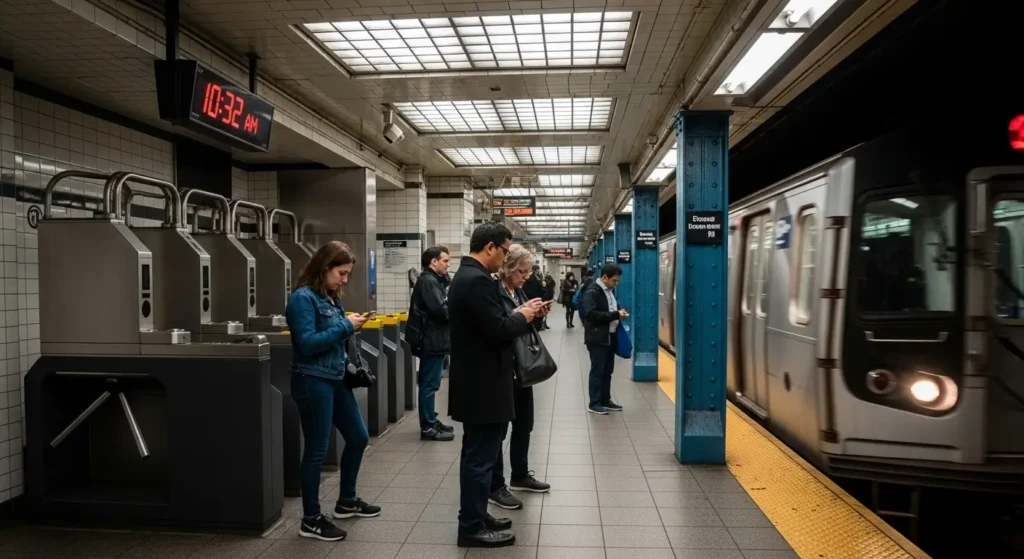
Transportation represents a significant portion of the cost of living in New York, with choices ranging from affordable public transit to expensive car ownership.
Public Transportation
NYC’s subway and bus system offers the best value for most residents:
MTA Fares and Passes:
- Single Ride: $2.90
- 7-Day Unlimited: $34
- 30-Day Unlimited: $132
- Annual Cost (daily commuter): $1,584
OMNY Benefits: The contactless payment system caps weekly spending at 12 rides ($34.80), making all subsequent rides free for that week.
Reduced Fare Programs:
- Seniors (65+): 50% discount
- People with disabilities: 50% discount
- Students: Partial subsidies available
Regional Transit Costs:
- LIRR Monthly Pass: $200-$400 (depending on zone)
- Metro-North Monthly: $180-$420
- PATH Train (to NJ): $2.75 per ride, $89 monthly
Annual Public Transit Budget Examples:
- Daily Manhattan Commuter: $1,584
- Occasional User (3-4 rides/week): $600-$800
- Hybrid Worker (2-3 days/week): $800-$1,000
Car Ownership in NYC
Owning a car dramatically increases your cost of living in New York. Here’s the complete breakdown:
Monthly Car Ownership Costs:
- Car Payment/Lease: $350-$650
- Auto Insurance: $220-$400 (NYC rates are high)
- Gasoline: $180-$280
- Parking: $250-$650 (varies by borough)
- Maintenance/Repairs: $100-$200
- Tolls: $60-$250
- Registration/Inspection: $35 (monthly average)
Total Monthly Cost: $1,195-$2,465 Annual Cost: $14,340-$29,580
Parking Costs by Borough:
- Manhattan: $400-$650 per month
- Brooklyn (popular areas): $250-$400
- Queens: $150-$300
- Bronx: $100-$250
- Staten Island: $50-$150
Current Gas Prices: $3.10-$3.40 per gallon
When Car Ownership Makes Sense:
- You live in Staten Island or outer Queens/Bronx
- You have children requiring frequent transportation
- Your job requires a vehicle
- You frequently travel outside NYC
- You can afford the $15,000-$30,000 annual cost
Alternative Transportation
Ride-Sharing Costs:
- Average Uber/Lyft Trip (3 miles): $15-$25
- Airport Trip (to JFK/LGA): $40-$80
- Monthly Budget (4 trips/week): $240-$400
Bike Costs:
- Citi Bike Membership: $205 annually ($17.08/month)
- Personal Bike Purchase: $300-$1,500
- Annual Maintenance: $100-$300
- Lock and Accessories: $80-$150 (one-time)
Taxi Costs:
- Base Fare: $3.00
- Per Mile: $2.50
- Average Trip: $12-$25
Transportation Cost Comparison
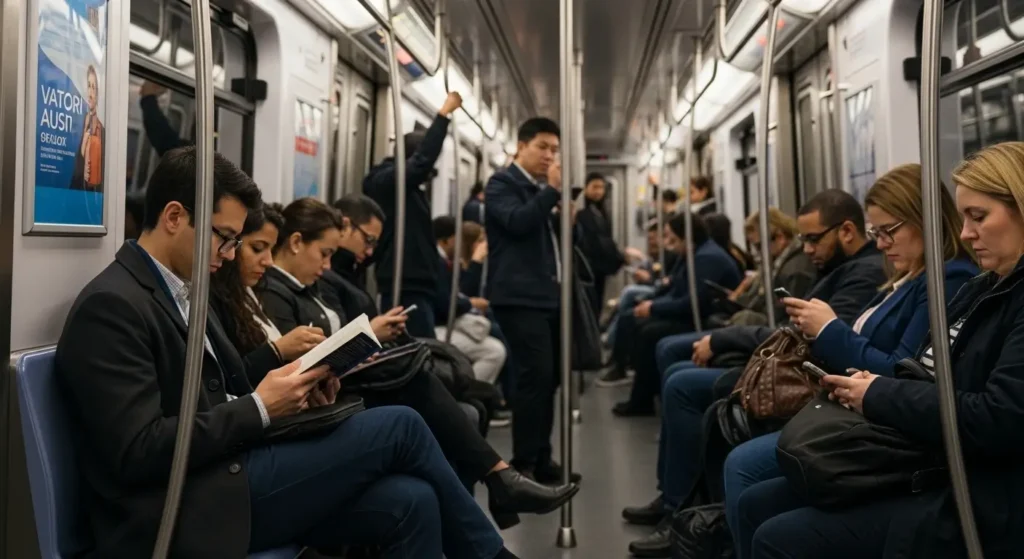
For someone living in Astoria and working in Midtown:
Option 1: Public Transit Only
- Monthly cost: $132
- Annual cost: $1,584
- Commute time: 35 minutes
Option 2: Car Ownership
- Monthly cost: $1,600+
- Annual cost: $19,200+
- Commute time: 25-60 minutes (traffic dependent)
- Parking at work: +$300-$500/month
Option 3: Hybrid (Transit + Occasional Uber)
- Monthly transit: $132
- Monthly ride-share: $120
- Annual cost: $3,024
- Maximum flexibility
Food and Grocery Costs

Food represents 15-25% of the typical cost of living in New York budget. Here’s what you’ll actually spend:
Grocery Shopping
Monthly Grocery Budget by Household Size:
- Single Person: $450-$650
- Couple: $750-$1,100
- Family of Three: $1,000-$1,500
- Family of Four: $1,300-$1,800
These budgets assume cooking most meals at home with occasional convenience purchases.
Specific Grocery Prices
Understanding individual item costs helps you budget the cost of living in New York more accurately:
Protein:
- Chicken Breast (per lb): $6.00-$9.00
- Ground Beef (per lb): $7.50-$11.00
- Pork Chops (per lb): $5.50-$8.50
- Salmon (per lb): $14.00-$20.00
- Eggs (dozen, large): $5.50-$8.00
- Milk (gallon): $5.00-$6.50
Produce:
- Bananas (per lb): $0.70-$1.20
- Apples (per lb): $2.50-$4.50
- Tomatoes (per lb): $3.00-$5.00
- Lettuce (head): $2.50-$4.50
- Onions (per lb): $1.50-$2.50
- Potatoes (per lb): $1.50-$2.80
- Avocados (each): $1.50-$3.00
Staples:
- Bread (loaf): $3.50-$6.00
- White Rice (per lb): $2.00-$4.00
- Pasta (per lb): $1.50-$3.50
- Olive Oil (16 oz): $8.00-$15.00
- Butter (per lb): $6.00-$9.00
- Cheese (per lb): $8.00-$16.00
Beverages:
- Coffee (1 lb): $8.00-$18.00
- Orange Juice (64 oz): $4.50-$7.00
- Bottled Water (24-pack): $5.00-$8.00
- Wine (mid-range bottle): $12.00-$25.00
- Beer (6-pack craft): $10.00-$16.00
Store Comparison
Where you shop significantly impacts your cost of living in New York:
Budget-Friendly Options:
- Trader Joe’s: 15-25% cheaper than average
- Aldi: 20-30% cheaper (limited locations)
- Costco: Bulk savings of 20-40% (membership: $60-$120/year)
- Ethnic Supermarkets (HMart, CTown): 10-25% cheaper for specialty items
Mid-Range:
- Key Food: Average NYC pricing
- Associated: Competitive neighborhood pricing
- Stop & Shop: Moderate pricing
Premium:
- Whole Foods: 30-50% more expensive
- Fairway: 20-35% more expensive
- Dean & DeLuca: 40-60% more expensive
- Bodegas: 25-50% markup for convenience
Dining Out Costs

Restaurant meals add considerably to the cost of living in New York:
Quick Service:
- Fast Food Combo Meal: $12-$18
- Food Cart (halal, tacos, etc.): $8-$14
- Pizza Slice: $3.50-$5.50
- Deli Sandwich: $10-$16
- Bagel with Cream Cheese: $4-$7
Casual Dining:
- Breakfast/Brunch (per person): $18-$35
- Lunch (per person): $15-$28
- Dinner (per person): $25-$45
- Coffee Shop Latte: $5.00-$7.50
- Bubble Tea: $6.00-$9.00
Mid-Range Restaurants:
- Appetizer: $12-$20
- Entree: $22-$38
- Dessert: $10-$16
- Glass of Wine: $12-$18
- Cocktail: $14-$22
- Total per Person: $45-$75
Fine Dining:
- Prix Fixe Menu: $75-$150+
- Tasting Menu: $150-$400+
- Wine Pairing: $75-$200+
Delivery & Takeout:
- Delivery Fees: $3-$8
- Service Fees: $2-$5
- Tip (recommended): 18-20%
- Average Order (1 person): $25-$40
- Average Order (2 people): $50-$85
Monthly Food Budget Examples
Scenario 1: Cook at Home, Eat Out Occasionally
- Groceries: $500
- Dining Out (4 times): $120
- Coffee/Snacks: $80
- Total: $700/month
Scenario 2: Balanced Approach
- Groceries: $400
- Dining Out (8-10 times): $300
- Lunch at Work (2x/week): $200
- Coffee/Snacks: $100
- Total: $1,000/month
Scenario 3: Frequent Dining Out
- Groceries: $250
- Dining Out (15-20 times): $600
- Lunch at Work (5x/week): $400
- Coffee Daily: $150
- Total: $1,400/month
Healthcare Costs

Medical expenses form a critical component of the cost of living in New York that many people underestimate.
Health Insurance
Employer-Sponsored Plans:
- Monthly Premium (employee portion): $150-$450
- Annual Deductible: $500-$4,000
- Out-of-Pocket Maximum: $3,000-$8,000
- Copays: $20-$75 per visit
Individual Marketplace Plans:
Bronze Tier:
- Monthly Premium: $400-$600
- Deductible: $6,000-$8,500
- Best for: Healthy individuals with emergency-only coverage needs
Silver Tier:
- Monthly Premium: $550-$800
- Deductible: $3,000-$5,000
- Best for: Most people, moderate healthcare needs
Gold Tier:
- Monthly Premium: $700-$1,000
- Deductible: $1,000-$2,500
- Best for: Frequent healthcare users, chronic conditions
Platinum Tier:
- Monthly Premium: $900-$1,300
- Deductible: $0-$1,000
- Best for: Heavy healthcare users, predictable high costs
Out-of-Pocket Medical Costs
Common Services (With Insurance):
- Primary Care Visit: $25-$50 copay
- Specialist Visit: $40-$75 copay
- Urgent Care: $75-$150
- Emergency Room: $250-$500+ (plus additional charges)
- Generic Prescription: $10-$30
- Brand Name Prescription: $50-$150+
These copays apply with insurance, but if you’re paying out-of-pocket or comparing providers, see our detailed breakdown of doctor visit costs in New York across different specialties and neighborhoods.
Without Insurance:
- Primary Care Visit: $150-$300
- Specialist Visit: $200-$500
- Urgent Care: $150-$350
- Emergency Room: $1,000-$3,000+
Dental Care:
- Routine Cleaning: $100-$200 (without insurance)
- X-rays: $50-$150
- Filling: $150-$400
- Root Canal: $800-$1,500
- Crown: $1,000-$2,500
- Dental Insurance: $30-$60/month
Dental costs vary significantly between providers in NYC. For a comprehensive comparison of teeth cleaning prices across Manhattan, Brooklyn, and Queens, including what’s included in each visit, check our detailed guide to teeth cleaning costs in NYC.
Vision Care:
- Eye Exam: $100-$200
- Glasses: $200-$600
- Contact Lenses (annual): $300-$700
- Vision Insurance: $15-$30/month
Annual Healthcare Budget Examples
Healthy Single Adult:
- Insurance Premium: $3,600
- Routine Care: $500
- Prescriptions: $200
- Dental: $400
- Vision: $300
- Total: $5,000/year
Family of Four:
- Insurance Premium: $9,600
- Routine Care: $1,500
- Prescriptions: $800
- Dental (4 people): $1,600
- Vision: $800
- Unexpected Illness: $1,000
- Total: $15,300/year
Taxes: Your Real Take-Home Pay
Taxes dramatically affect the cost of living in New York because residents face three levels of income tax.
The Triple Tax Hit
New York City residents pay:
- Federal Income Tax: 10-37% (depending on income)
- New York State Income Tax: 4-10.9%
- New York City Income Tax: 3.078-3.876%
Take-Home Pay Examples
Understanding net income is crucial for budgeting the cost of living in New York:
Single Filer:
$50,000 Gross Income:
- Federal Tax: -$4,200
- State Tax: -$2,400
- City Tax: -$1,550
- FICA: -$3,825
- Take-Home: $38,025/year ($3,169/month)
$75,000 Gross Income:
- Federal Tax: -$8,700
- State Tax: -$4,100
- City Tax: -$2,350
- FICA: -$5,738
- Take-Home: $54,112/year ($4,509/month)
$100,000 Gross Income:
- Federal Tax: -$14,200
- State Tax: -$5,900
- City Tax: -$3,150
- FICA: -$7,650
- Take-Home: $69,100/year ($5,758/month)
$150,000 Gross Income:
- Federal Tax: -$26,400
- State Tax: -$10,200
- City Tax: -$4,800
- FICA: -$11,475
- Take-Home: $97,125/year ($8,094/month)
Married Filing Jointly:
$100,000 Combined:
- Federal Tax: -$10,000
- State Tax: -$4,200
- City Tax: -$2,600
- FICA: -$7,650
- Take-Home: $75,550/year ($6,296/month)
$200,000 Combined:
- Federal Tax: -$28,000
- State Tax: -$11,800
- City Tax: -$6,400
- FICA: -$15,300
- Take-Home: $138,500/year ($11,542/month)
Other Taxes Affecting Cost of Living
Sales Tax:
- NYC Rate: 8.875%
- Applied to most purchases except groceries and clothing under $110
- Annual impact: $2,000-$5,000 depending on spending
Property Tax (Homeowners):
- Manhattan: $3,000-$15,000+ annually
- Brooklyn: $2,500-$12,000+ annually
- Queens: $2,000-$8,000+ annually
- Bronx: $1,800-$6,000+ annually
- Staten Island: $2,200-$8,000+ annually
Childcare and Education Costs

For families, these expenses significantly increase the cost of living in New York:
Childcare (Ages 0-5)
Full-Time Daycare:
- Infant Care (0-1 year): $2,200-$3,800/month
- Toddler Care (1-3 years): $1,900-$3,200/month
- Preschool (3-5 years): $1,600-$3,000/month
By Borough:
- Manhattan: $2,500-$3,800/month
- Brooklyn: $1,800-$3,000/month
- Queens: $1,500-$2,400/month
- Bronx: $1,400-$2,200/month
- Staten Island: $1,300-$2,000/month
Nanny Options:
- Full-Time Nanny: $3,500-$5,500/month
- Nanny Share: $1,800-$3,000/month
- Part-Time Nanny: $22-$35/hour
- Babysitter (date night): $22-$35/hour
Free Options:
- Universal Pre-K: Free for 4-year-olds
- 3-K Program: Free for 3-year-olds (expanding availability)
K-12 Education
Public School (Free Tuition):
- School Supplies: $200-$500/year
- Activities/Field Trips: $300-$800/year
- After-School Programs: $200-$600/month
- School Lunch: $3-$5/day or free (income-based)
Private School:
- Elementary School: $25,000-$55,000/year
- High School: $40,000-$65,000/year
- Application Fees: $100-$200 per school
- Additional Costs: $2,000-$6,000/year
After-School Care:
- Programs: $300-$900/month
- Summer Camp: $1,500-$6,000/summer
- Sports/Music Lessons: $100-$400/month
Total Annual Cost of Raising Children
One Child:
- Childcare/Education: $12,000-$36,000
- Food: $2,500-$4,000
- Clothing: $800-$1,500
- Healthcare: $1,500-$3,000
- Activities: $1,200-$3,000
- Total: $18,000-$47,500/year
Two Children:
- Total: $28,000-$72,000/year
Three Children:
- Total: $38,000-$95,000/year
Children require regular well-visits and sick visits throughout the year. For a detailed breakdown of pediatrician costs in New York, including well-child visits, vaccinations, and specialist referrals, check our comprehensive guide.
Entertainment and Lifestyle

Quality of life spending affects everyone’s cost of living in New York differently based on interests and priorities.
Fitness and Wellness
Gym Memberships:
- Budget Gyms (Planet Fitness, Blink): $10-$30/month
- Mid-Range (Crunch, NYSC): $40-$90/month
- Premium (Equinox, Lifetime): $180-$350/month
- Boutique Fitness (SoulCycle, Barry’s): $35-$45/class or $300-$500/month unlimited
Boutique fitness studios like Club Pilates offer specialized workouts at premium prices. See our breakdown of Club Pilates prices in NYC, including membership options, class packages, and what’s included.
Other Wellness:
- Yoga Studios: $120-$250/month unlimited
- Personal Training: $80-$200/session
- Massage: $90-$220/hour
- Meditation Apps: $10-$20/month
Entertainment Options
Movies and Theater:
- Movie Ticket: $18-$24
- Broadway Show: $120-$450
- Off-Broadway: $45-$120
- Comedy Club: $25-$60 plus 2-drink minimum ($20-$30)
Sports Events:
- Yankees Game: $60-$300
- Mets Game: $45-$180
- Knicks Game: $180-$600
- Nets Game: $120-$400
- Rangers Game: $100-$350
Museums and Culture:
- MoMA: $30 (suggested donation)
- Metropolitan Museum: $30 (suggested donation)
- Natural History Museum: $28 (suggested donation)
- Annual Membership (single museum): $100-$200
Bars and Nightlife:
- Dive Bar Beer: $6-$9
- Craft Beer: $8-$13
- Cocktail (neighborhood bar): $12-$16
- Craft Cocktail Bar: $16-$24
- Nightclub Cover: $25-$60
- Bottle Service: $600-$2,500
Activities:
- Bowling: $35-$65/hour
- Mini Golf: $15-$25
- Escape Room: $35-$50/person
- Karaoke Room: $25-$50/hour per person
Subscriptions and Services
Streaming and Media:
- Netflix/Hulu/Disney+: $10-$20/month each
- Spotify/Apple Music: $11-$16/month
- News Subscriptions (NYT, etc.): $15-$35/month
- Total Average: $60-$120/month
Monthly Entertainment Budget Examples
Minimal ($150-$250):
- Gym: $40
- Streaming: $30
- 1-2 outings: $80-$150
- Total: $150-$220
Moderate ($400-$700):
- Gym: $80
- Streaming: $50
- 4-6 outings: $200-$400
- 1-2 events: $100-$200
- Total: $430-$730
Active ($1,000-$1,800):
- Premium Gym: $250
- Streaming/Subscriptions: $100
- Weekly outings: $400-$600
- Monthly events: $250-$500
- Hobbies: $200-$350
- Total: $1,200-$1,800
Personal Care and Services
These everyday costs add up in the cost of living in New York budget:
Hair and Beauty Services
Hair Services:
- Men’s Haircut: $35-$85 (every 4-6 weeks)
- Women’s Haircut: $70-$200+ (every 6-10 weeks)
- Color/Highlights: $180-$500+
- Blowout: $45-$90
Beauty Services:
- Manicure: $18-$40
- Pedicure: $35-$70
- Gel Manicure: $40-$65
- Acrylic Nails: $50-$85
- Facial: $90-$250
- Waxing: $25-$90
Monthly Personal Care Budget:
- Basic: $60-$100
- Moderate: $150-$250
- Regular treatments: $300-$500
Dry Cleaning and Laundry
Dry Cleaning:
- Shirt: $3.50-$7.00
- Pants: $8-$14
- Suit: $18-$35
- Dress: $12-$25
- Coat: $15-$30
Laundry Service:
- Wash & Fold: $1.75-$2.75/pound
- Typical Load: $15-$25
Monthly Budget:
- Minimal use: $30-$60
- Regular use: $80-$150
- Heavy use: $180-$300
Other Services
Repair and Alterations:
- Tailor Hemming: $15-$35
- Suit Alterations: $40-$100
- Shoe Repair: $18-$45
- Phone Screen Repair: $100-$350
Miscellaneous Costs
Additional expenses that impact your cost of living in New York:
Shopping and Clothing
Annual Clothing Budget:
- Minimal: $800-$1,500
- Average: $1,500-$3,000
- Professional Wardrobe: $2,500-$5,000+
Household Items
Monthly:
- Cleaning Supplies: $35-$70
- Paper Products: $25-$50
- Kitchen Items: $30-$60
- Total: $90-$180/month
Pet Costs
If you have pets, add these to your cost of living in New York calculation:
Monthly Pet Expenses:
- Pet Rent/Fee: $30-$120/month
- Dog Walker: $20-$45/walk × 10-20 walks = $200-$900
- Pet Daycare: $35-$70/day (as needed)
- Food: $40-$120/month
- Pet Insurance: $35-$80/month
- Grooming: $50-$100/month
Annual Costs:
- Routine Vet Visits: $300-$600
- Vaccinations: $100-$300
- Emergency Fund: $500-$2,000
Total Pet Budget:
- Cat: $800-$1,500/year
- Dog: $2,500-$8,000/year
Technology
Replacement Costs:
- Smartphone: $500-$1,400 (every 2-3 years)
- Laptop: $900-$2,500 (every 3-5 years)
- Software Subscriptions: $25-$120/month
Gifts and Occasions
Annual Budget:
- Birthday Gifts: $50-$200 each
- Holiday Shopping: $500-$2,500
- Wedding Gifts: $150-$350 each
- Average Monthly: $150-$350
What Salary Do You Actually Need?

This is the most important question about the cost of living in New York. Here’s the honest breakdown:
Single Person Salary Requirements
Survival Mode ($48,000-$58,000 gross):
Take-home pay: $3,200-$3,900/month
What this looks like:
- Studio/shared apartment in outer borough: $1,400-$1,800
- Public transit only
- Cooking most meals at home
- Very limited entertainment
- Minimal savings
Reality: You’ll make it work, but money will be tight. One unexpected expense creates stress.
Comfortable Living ($70,000-$90,000 gross):
Take-home pay: $4,700-$6,000/month
What this looks like:
- 1BR in mid-range neighborhood or studio in better area: $2,200-$2,800
- Public transit primary, occasional Uber
- Balance of cooking and dining out
- Regular entertainment and activities
- Saving 5-10% of income
Reality: This is where NYC life starts feeling sustainable and enjoyable.
Very Comfortable ($105,000-$140,000 gross):
Take-home pay: $7,000-$9,200/month
What this looks like:
- 1BR in desirable neighborhood or 2BR outer borough: $2,800-$3,800
- Can afford occasional car use/ownership in outer boroughs
- Regular dining out and activities
- Active social life
- Saving 10-15% of income
- Building emergency fund
Reality: You can enjoy what NYC offers without constant budget anxiety.
Luxury Living ($160,000+ gross):
Take-home pay: $10,500+/month
What this looks like:
- 1BR in prime Manhattan or spacious 2BR in Brooklyn/Queens
- Car ownership possible
- Frequent dining out
- Regular entertainment and travel
- Saving 15-20%+ of income
- Investment opportunities
Reality: Financial stress is minimal; focus shifts to wealth building.
Couple Salary Requirements (Combined Income)
Getting By ($85,000-$110,000 combined):
Take-home pay: $5,700-$7,400/month
What this looks like:
- 1BR in outer borough: $2,000-$2,600
- Public transit
- Grocery shopping with occasional dining out
- Budget-conscious lifestyle
- Limited savings
Comfortable ($130,000-$170,000 combined):
Take-home pay: $8,700-$11,200/month
What this looks like:
- 1BR in good area or 2BR outer borough: $2,600-$3,400
- Balanced lifestyle
- Regular date nights and activities
- Some travel
- Healthy savings rate
Very Comfortable ($190,000-$240,000 combined):
Take-home pay: $12,500-$15,700/month
What this looks like:
- 2BR in desirable area: $3,500-$4,800
- Car optional
- Active social life
- Regular travel
- Strong savings and investments
Luxury ($270,000+ combined):
Take-home pay: $17,500+/month
What this looks like:
- 2BR prime location or 3BR good area
- Full lifestyle flexibility
- Minimal financial constraints
- Aggressive wealth building
Family of Four Salary Requirements
Minimum Viable ($110,000-$140,000):
Take-home pay: $7,400-$9,400/month
What this looks like:
- 2BR outer borough: $2,400-$3,000
- Public schools
- Very tight budget
- One working parent or two with subsidized childcare
- Minimal entertainment
- No savings
Reality: Extremely challenging; requires significant sacrifices.
Comfortable ($165,000-$220,000):
Take-home pay: $11,000-$14,500/month
What this looks like:
- 2BR or 3BR decent area: $3,200-$4,200
- Public schools
- Some after-school activities
- Occasional family outings
- Modest savings
Very Comfortable ($270,000-$330,000):
Take-home pay: $17,700-$21,500/month
What this looks like:
- 3BR in good area: $4,500-$6,000
- Choice of schools (public or private)
- Regular family activities
- Vacations
- College savings
- Healthy retirement contributions
Luxury ($450,000+):
Take-home pay: $29,000+/month
What this looks like:
- 3BR+ prime location or 4BR good area
- Private school options
- Full family amenities
- Multiple vacations
- Aggressive savings and investment
The 30% Rent Rule Doesn’t Work in NYC
The traditional advice that rent should be 30% of gross income is unrealistic for many in the cost of living in New York.
Reality Check:
Someone earning $75,000 would have a “30% budget” of $1,875/month for rent. Good luck finding a decent 1BR in a safe neighborhood with reasonable commute for that price.
NYC-Adjusted Guidelines:
- Entry-level earners: 35-45% of gross income
- Mid-career professionals: 30-35% of gross income
- High earners: 25-30% of gross income
The key is ensuring your remaining income covers all other expenses while still allowing savings.
Real Monthly Budget Examples

Understanding actual budgets clarifies the cost of living in New York better than any statistics.
Scenario 1: Single Professional in Queens
Profile:
- Age: 29
- Occupation: Marketing Coordinator
- Gross Salary: $72,000
- Net Monthly Income: $4,850
- Location: Astoria, Queens (1BR apartment)
Monthly Budget:
Housing & Utilities:
- Rent: $2,300
- Electricity: $85
- Gas/Heat: $45
- Internet: $70
- Renters Insurance: $28
- Subtotal: $2,528
Transportation:
- MTA Monthly Pass: $132
- Occasional Uber: $60
- Subtotal: $192
Food:
- Groceries: $480
- Dining Out (6x/month): $250
- Coffee/Snacks: $90
- Subtotal: $820
Healthcare:
- Health Insurance (employer-sponsored): $220
- Copays/Prescriptions: $45
- Gym Membership: $45
- Subtotal: $310
Personal Care:
- Haircut (every 6 weeks): $50
- Toiletries: $40
- Laundry: $65
- Subtotal: $155
Entertainment & Misc:
- Streaming Services: $35
- Phone Plan: $55
- Social Activities: $180
- Shopping/Clothing: $100
- Gifts: $80
- Subtotal: $450
Savings:
- Emergency Fund: $200
- 401(k) Contribution: $215
- Subtotal: $415
Total: $4,850
Annual Breakdown:
- Housing: $30,336
- Transportation: $2,304
- Food: $9,840
- Healthcare: $3,720
- Other: $7,260
- Savings: $5,580
Reality Check:
- Lives comfortably but not lavishly
- Can afford occasional splurges
- Building emergency fund slowly
- One major unexpected expense would hurt
- Cannot afford frequent vacations
- Social life requires budget consciousness
Scenario 2: Couple in Brooklyn
Profile:
- Ages: 33 & 35
- Occupations: Public School Teacher ($78,000) + Software Developer ($125,000)
- Combined Gross: $203,000
- Combined Net Monthly: $12,800
- Location: Park Slope, Brooklyn (2BR apartment)
Monthly Budget:
Housing & Utilities:
- Rent: $4,200
- Electricity: $140
- Gas/Heat: $75
- Internet: $85
- Renters Insurance: $42
- Subtotal: $4,542
Transportation:
- Two MTA Passes: $264
- Occasional Uber/Taxi: $120
- Subtotal: $384
Food:
- Groceries: $850
- Dining Out (12x/month): $520
- Coffee/Lunch Out: $280
- Subtotal: $1,650
Healthcare:
- Health Insurance: $480
- Copays/Prescriptions: $120
- Dental: $60
- Two Gym Memberships: $180
- Subtotal: $840
Personal Care:
- Hair (both): $150
- Toiletries: $75
- Dry Cleaning: $90
- Subtotal: $315
Entertainment & Misc:
- Streaming/Subscriptions: $85
- Two Phone Plans: $110
- Entertainment/Activities: $400
- Shopping/Clothing: $250
- Gifts: $150
- Vacations (monthly savings): $400
- Subtotal: $1,395
Savings & Investments:
- Emergency Fund: $500
- 401(k) Contributions: $2,000
- IRA Contributions: $800
- General Savings: $374
- Subtotal: $3,674
Total: $12,800
Reality Check:
- Comfortable lifestyle with room for fun
- Active social life
- Annual vacation budget: $4,800
- Strong retirement savings
- Building wealth steadily
- Could handle unexpected expenses
- Considering homeownership within 2-3 years
Scenario 3: Young Family in Queens
Profile:
- Ages: 36 & 37
- Children: 2 (ages 3 and 5)
- Occupations: Accountant ($98,000) + Nurse ($92,000)
- Combined Gross: $190,000
- Combined Net Monthly: $12,200
- Location: Forest Hills, Queens (3BR apartment)
Monthly Budget:
Housing & Utilities:
- Rent: $3,400
- Electricity: $165
- Gas/Heat: $95
- Internet: $85
- Renters Insurance: $55
- Subtotal: $3,800
Transportation:
- Car Payment: $485
- Car Insurance: $340
- Gas: $220
- Parking: $275
- Maintenance: $100
- MTA (occasional): $80
- Subtotal: $1,500
Food:
- Groceries: $1,200
- Dining Out (family of 4): $320
- School Lunches: $120
- Subtotal: $1,640
Healthcare:
- Health Insurance: $720
- Copays/Medical: $200
- Dental (4 people): $120
- Prescriptions: $80
- Subtotal: $1,120
Childcare & Education:
- Free Pre-K (5-year-old): $0
- Daycare (3-year-old): $2,100
- After-School Activities: $240
- School Supplies/Fees: $100
- Subtotal: $2,440
Personal Care:
- Hair (2 adults): $120
- Kids Haircuts: $60
- Toiletries: $100
- Laundry: $85
- Subtotal: $365
Entertainment & Misc:
- Streaming: $65
- Phone Plans: $140
- Family Activities: $200
- Kids Entertainment: $150
- Shopping/Clothing: $300
- Gifts: $120
- Subtotal: $975
Savings:
- Emergency Fund: $200
- 401(k) Contributions: $1,000
- 529 Plans (both kids): $400
- General Savings: $260
- Subtotal: $1,860
Total: $12,200
Reality Check:
- Tight budget despite good income
- Childcare is the killer expense
- Car necessary for family logistics
- Limited discretionary spending
- Savings rate could be higher
- Situation improves when both kids in public school
- Cannot afford private school without major sacrifice
- Vacations must be budget-conscious
Scenario 4: Established Professional in Manhattan
Profile:
- Age: 44
- Occupation: Finance VP
- Gross Salary: $195,000
- Net Monthly Income: $12,400
- Location: Upper West Side, Manhattan (1BR apartment)
Monthly Budget:
Housing & Utilities:
- Rent: $4,800
- Electricity: $110
- Gas/Heat: $60
- Internet: $90
- Renters Insurance: $45
- Storage Unit: $180
- Subtotal: $5,285
Transportation:
- MTA Pass: $132
- Uber/Taxi: $280
- Occasional Car Rental: $150
- Subtotal: $562
Food:
- Groceries: $550
- Dining Out (20x/month): $900
- Coffee/Lunch Out: $420
- Subtotal: $1,870
Healthcare:
- Health Insurance: $380
- Copays/Medical: $100
- Dental/Vision: $80
- Gym (Equinox): $285
- Personal Trainer (2x/month): $360
- Subtotal: $1,205
Personal Care:
- Haircut & Grooming: $140
- Dry Cleaning: $180
- Toiletries: $90
- Subtotal: $410
Entertainment & Misc:
- Streaming/Subscriptions: $95
- Phone Plan: $85
- Entertainment/Events: $650
- Shopping/Clothing: $450
- Gifts: $200
- Travel (monthly budget): $800
- Subtotal: $2,280
Savings & Investments:
- 401(k) Max Contribution: $1,917
- Additional Investments: $500
- Emergency Fund: $171
- Subtotal: $2,588
Total: $12,400
Reality Check:
- Comfortable urban professional lifestyle
- Proximity to work and amenities valued over space
- Active social and cultural life
- Strong retirement savings
- Annual vacation budget: $9,600
- Could afford to buy but prefers flexibility
- Healthy work-life balance
- Occasional luxury purchases guilt-free
Scenario 5: Retiree in Staten Island
Profile:
- Age: 71
- Income: Social Security + Pension + Savings Withdrawal
- Monthly Income: $4,500
- Location: Staten Island (1BR apartment)
Monthly Budget:
Housing & Utilities:
- Rent: $1,650
- Electricity: $95
- Gas/Heat: $70
- Internet/Cable: $120
- Renters Insurance: $32
- Subtotal: $1,967
Transportation:
- Car Payment: $0 (paid off)
- Car Insurance: $180
- Gas: $140
- Maintenance: $100
- MTA (occasional): $30
- Subtotal: $450
Food:
- Groceries: $420
- Dining Out: $180
- Subtotal: $600
Healthcare:
- Medicare Part B: $174
- Medicare Supplement: $200
- Prescription Coverage: $85
- Out-of-Pocket Medical: $150
- Dental: $80
- Subtotal: $689
Personal Care:
- Haircut: $45
- Toiletries: $50
- Subtotal: $95
Entertainment & Misc:
- Phone: $60
- Entertainment: $180
- Shopping: $120
- Gifts (grandchildren): $150
- Contingency: $189
- Subtotal: $699
Total: $4,500
Reality Check:
- Modest but comfortable retirement
- Car provides mobility and independence
- Healthcare is manageable with Medicare
- Can afford to spoil grandchildren occasionally
- Limited international travel
- Budget works only because housing is paid for
- Small financial cushion
- Any major home repair would be challenging
Hidden Costs New Yorkers Don’t Talk About
The cost of living in New York includes numerous expenses that don’t appear in standard budgets:
The NYC Service Premium
Everything costs more in NYC, even basic services:
Comparison to National Averages:
- Haircuts: 40-60% more expensive
- Dry cleaning: 30-50% more expensive
- Phone repair: 25-40% more expensive
- Pet grooming: 35-55% more expensive
- Car repairs: 30-45% more expensive
Restaurant Hidden Costs:
- Many restaurants add 3-4% “health insurance surcharge”
- Some add 20% automatic gratuity
- “Service fees” on delivery apps: 10-15%
- You’re expected to tip 20% minimum (18% is considered cheap)
Move-In Reality
The advertised rent is just the beginning:
First Apartment Expenses:
- Furniture for unfurnished apartment: $2,000-$8,000
- Kitchen supplies: $300-$800
- Cleaning supplies: $100-$200
- Window treatments: $200-$600
- Small appliances: $200-$500
Broker Fee Negotiation: While advertised as 15% of annual rent, sometimes you can negotiate to:
- One month’s rent (8.3%)
- Split fee with landlord
- No-fee in slow rental months (January-February)
Building-Specific Surprises
Co-op/Condo Owners:
- Special Assessments: $2,000-$20,000+ when building needs major repairs
- Flip Tax: 1-3% of sale price when you sell
- Move-in/Move-out Fees: $500-$2,000
- Sublet Fees: $500-$2,000 annually if renting out your apartment
Renters:
- Key Replacement: $100-$300 if you lose keys
- Move-Out Cleaning: $200-$500 to get deposit back
- Lease Break Penalty: 1-2 months rent if leaving early
Social Pressure Spending
NYC social life has unspoken cost expectations:
Birthday Dinners:
- You’re expected to treat yourself: $300-$800 for 6-10 friends
- Attending others’ birthdays: $80-$150 per event
Group Activities:
- Brunch: $40-$70 per person with drinks
- Drinks after work: $60-$100
- Concert/show outings: $100-$250
- Day trips: $150-$300
Wedding Season:
- Destination bachelor/bachelorette parties: $500-$2,000
- Wedding gifts: $150-$350
- Attire: $200-$600
- Travel if outside NYC: $300-$1,500
Seasonal Cost Spikes
Summer:
- Air conditioning bills: +$80-$200/month
- Weekend beach/escape trips: $200-$500 each
- Outdoor dining and drinking (more expensive): +$200-$400/month
Winter:
- Heating bills: +$60-$180/month
- Holiday shopping pressure: $500-$2,500
- Cold weather clothing: $300-$800
Year-Round Seasonality:
- Produce costs fluctuate 30-50%
- Heating oil spikes in cold snaps
- Rent increases with September school year
The Convenience Tax
New Yorkers pay premium for time-saving:
Common Convenience Spending:
- Food delivery instead of pickup: +$8-$15 per order
- Grocery delivery: +$10-$30 per order
- Laundry service instead of DIY: $60-$150/month extra
- TaskRabbit/Handy for simple repairs: $100-$300 vs. DIY
- Last-minute everything costs 20-50% more
Storage Requirements
NYC apartments lack space, forcing external storage:
Why NYers Need Storage:
- Seasonal clothing (winter coats, summer items)
- Bike storage (stolen if left outside)
- Sports equipment
- Holiday decorations
- Extra furniture from downsizing
Storage Costs:
- Small unit (5×5): $75-$150/month
- Medium unit (5×10): $150-$250/month
- Large unit (10×10): $250-$400/month
The “Visiting Friends/Family” Budget
NYC hospitality costs more:
When Family Visits:
- Can’t host comfortably in small apartment
- Tourist activities: $100-$300/day
- Restaurants: $150-$400/day for group
- Weekend visit: $500-$1,500
Going Out to Socialize:
- Small apartments mean meeting at bars/restaurants
- “Just getting coffee” becomes $15-$30 outing
- Can’t invite friends over as easily
Money-Saving Strategies That Actually Work

Smart choices can significantly reduce your cost of living in New York:
Housing Savings
Neighborhood Strategy:
Living one subway stop farther from Manhattan can save $400-$700/month:
Examples:
- Williamsburg vs. Bushwick: Save $500/month
- Astoria vs. Long Island City: Save $400/month
- Park Slope vs. Sunset Park: Save $600/month
- Upper West Side vs. Washington Heights: Save $800/month
Best Value Neighborhoods:
- Queens: Astoria, Sunnyside, Forest Hills, Jackson Heights
- Brooklyn: Sunset Park, Bed-Stuy, Crown Heights (still gentrifying but deals exist)
- Bronx: Riverdale, Fordham
- Manhattan: Harlem, Washington Heights (if you must be in Manhattan)
Apartment Hunting Hacks:
Best Times to Hunt:
- January-February: Fewer renters competing, more negotiating power
- July-August: High inventory, landlords motivated (despite peak moving season)
Avoid:
- September (college students flood market)
- May-June (graduation, competitive)
No-Fee Resources:
- StreetEasy “no-fee” filter
- Craigslist (carefully vetted)
- Facebook housing groups
- Listings Project
- Direct management company websites
Negotiation Tips:
- Offer longer lease (18-24 months) for lower monthly rate
- First-time renters: offer 3-6 months upfront
- Point out needed repairs to justify lower rent
- Come with completed application, ready to sign
Roommate Situations:
- Living with one roommate: Save $800-$1,800/month
- Living with two roommates: Save $1,200-$2,400/month
- Choose roommates carefully (compatibility worth more than $100/month)
Transportation Savings
Ditch the Car:
Annual savings: $14,000-$30,000
Alternative Solutions:
- Zipcar for occasional needs: $90-$150/year membership + $10-$15/hour
- Uber/Lyft budget: $200/month = $2,400/year (still save $12,000+)
- Rental car for road trips: $300-$600/trip
When Car Ownership Makes Financial Sense:
- You live in Staten Island or outer Queens/Bronx with poor transit
- You have multiple children
- Your job requires a vehicle
- You frequently visit elderly parents outside NYC
Transit Optimization:
OMNY Benefit: After 12 rides per week ($34.80), all additional rides are free
- Saves heavy users $97/month vs. unlimited
- Track your rides; adjust as needed
Walking + Subway:
- Living within 20-minute walk of work: Save $132/month
- Biking in nice weather: Citi Bike membership $205/year vs. MTA $1,584
Reduced Fare Programs:
- Fair Fares NYC: 50% discount for low-income residents
- Senior/disability discounts: Apply if eligible
Food and Grocery Savings
Smart Shopping Strategy:
Trader Joe’s Power Items: (Specific recommendations that save 30-50%)
- Frozen vegetables: $1.29-$2.99 vs. $3-$5 elsewhere
- Organic milk: $4.99 vs. $6.50+
- Wine selection: $4.99-$12.99 vs. $12-$25
- Prepared foods: $3.99-$6.99 vs. $8-$12
Ethnic Supermarkets:
- Chinatown markets: Save 40-60% on produce
- HMart (Korean): Save 20-40% on Asian ingredients, quality produce
- Key Food/CTown: Neighborhood prices, frequent sales
- Costco: Worth the $60 membership if you buy bulk staples
Shopping Plan:
- Weekly Chinatown/ethnic market run: Produce, staples
- Monthly Costco trip: Non-perishables, paper goods
- Trader Joe’s for specialty items
- Average savings: $200-$400/month vs. shopping at Whole Foods/Fairway
Dining Out Strategically:
Maximize Value:
- Prix fixe lunch vs. dinner: Same restaurant, 40-50% cheaper
- Happy hour: $5-$8 drinks vs. $14-$22, appetizers half price
- Restaurant Week (January, July): $30-$60 prix fixe at high-end restaurants
- BYOB restaurants: Save $40-$100 on wine
Specific Cheap Eats:
- Flushing food courts: $8-$12 full meals
- Xi’an Famous Foods: $10-$14 filling meals
- Los Tacos No. 1: $4-$5 excellent tacos
- Joe’s Pizza: $3.50 quality slice
- Halal carts: $8-$12 huge portions
Meal Prep Reality:
- Sunday meal prep: Cook 4-5 dinners
- Breakfast at home: Save $8-$12/day
- Pack lunch 3x/week: Save $15-$20/day = $180-$240/month
- Total potential savings: $400-$600/month
Entertainment Savings
Free NYC Activities:
Museums:
- Pay-What-You-Wish Hours:
- Brooklyn Museum: First Saturday, 5-11pm
- Bronx Museum: Always free
- Museum at FIT: Always free
- MoMA: Friday 4-8pm (free)
- Library Museum Passes: Free timed admission to many museums
Outdoor & Cultural:
- Shakespeare in the Park: Free (June-August)
- SummerStage concerts: Free
- Prospect Park concerts: Free
- Governors Island: Free ferry, free activities
- Brooklyn Bridge Park movies: Free
- The High Line: Free walking park
- Central Park events: Mostly free
- Comedy shows at UCB: $5-$10
IDNYC Benefits:
Free NYC ID card includes:
- 1-year free membership to 40+ museums
- Discounts at movie theaters
- Discounts at Broadway shows
- Discounts at gyms and cultural institutions
- Value: $500-$1,000/year
Theatre Development Fund (TDF):
- Membership: $35/year
- Broadway tickets: $35-$50 (vs. $150-$400)
- Off-Broadway: $20-$35
- See 4-6 shows/year: Save $400-$1,400
Social Life on Budget:
Smart Strategies:
- BYOB restaurants: Save $40-$100 per outing
- Picnics in parks vs. restaurants
- Happy hours (5-7pm): Save 50% on drinks
- Free museum nights: Date night for $0
- Walk/bike instead of Uber: Save $15-$30
Fitness Savings
Gym Comparison:
Budget Option:
- Planet Fitness: $10-$15/month
- Annual cost: $120-$180
- Savings vs. Equinox: $2,000-$4,000/year
Free Alternatives:
- Running in Central Park/Prospect Park: $0
- YouTube workout videos: $0
- Outdoor fitness equipment (parks): $0
- Bodyweight exercises at home: $0
- Free outdoor yoga (summer): $0
When Premium Makes Sense:
- You actually go 15+ times/month
- Amenities (sauna, pool) genuinely matter
- Location saves significant commute time
Healthcare Savings
Prescription Optimization:
- Generic vs. brand name: Save 70-90%
- GoodRx coupons: Save 30-80% even with insurance
- Costco pharmacy: Often cheapest option
- Mail-order 90-day supply: Save 20-30%
FSA/HSA Maximization:
- Use pre-tax dollars
- Fund fully to reduce taxable income
- Save 25-35% on healthcare costs through tax benefits
Preventive Care:
- Annual checkups prevent expensive problems
- Dental cleanings prevent costly procedures
- Vision exams prevent strain-related issues
Urgent Care vs. ER:
- Urgent care: $75-$150 copay
- Emergency room: $250-$500 copay + additional charges
- Use ER only for true emergencies
Tax Optimization
Pre-Tax Deductions:
Transit Benefits:
- Employer transit program: $315/month pre-tax
- Annual savings: $1,100-$1,400 (tax benefit)
401(k) Contributions:
- Max out employer match first (free money)
- Every $1,000 contributed saves $300-$400 in taxes
HSA/FSA:
- Medical FSA: Up to $3,050 pre-tax
- Dependent care FSA: Up to $5,000 pre-tax
- Tax savings: $1,500-$2,000
Subscription Audit
What to Keep:
- Streaming (pick 2-3 max): $30-$40
- Music streaming: $11-$16
- News (if you read daily): $15-$20
What to Cut:
- Unused gym memberships
- Multiple overlapping streaming services
- Magazines you don’t read
- Apps with free alternatives
Potential Savings: $50-$200/month
Total Realistic Savings
Implementing these strategies:
Housing: $500-$800/month (strategic neighborhood choice) Transportation: $1,000-$2,000/month (ditch car if possible) Food: $300-$500/month (smart shopping + meal prep) Entertainment: $200-$400/month (free activities + discounts) Fitness: $100-$250/month (budget gym or free) Healthcare: $100-$200/month (generic drugs, FSA) Subscriptions: $50-$150/month (audit and cut)
Total Potential Savings: $2,250-$4,300/month Annual Impact: $27,000-$51,600
This can mean the difference between struggling and thriving in NYC.
NYC vs. Other Major Cities: The Real Comparison
Understanding the cost of living in New York requires context:
Overall Cost Index Comparison
(NYC = 100 baseline)
| City | Overall | Housing | Groceries | Transport | Healthcare |
|---|---|---|---|---|---|
| New York City | 100 | 100 | 100 | 100 | 100 |
| San Francisco | 98 | 95 | 102 | 105 | 98 |
| Boston | 88 | 85 | 94 | 92 | 96 |
| Los Angeles | 82 | 78 | 96 | 88 | 94 |
| Washington DC | 86 | 84 | 98 | 85 | 95 |
| Seattle | 85 | 82 | 99 | 90 | 96 |
| Chicago | 63 | 55 | 89 | 78 | 88 |
| Miami | 75 | 72 | 92 | 82 | 90 |
| Philadelphia | 58 | 52 | 85 | 75 | 86 |
| Austin | 68 | 64 | 88 | 80 | 87 |
What Your Money Gets You
$3,000/month Rent Comparison:
- NYC: Studio in decent Manhattan neighborhood OR 1BR in mid-range Brooklyn/Queens
- San Francisco: Studio in decent neighborhood OR 1BR in outer areas
- Boston: 1BR in good neighborhood
- Los Angeles: 1BR in nice area or 2BR in decent area
- Chicago: Spacious 2BR in great neighborhood
- Austin: 2BR in excellent area with amenities
- Philadelphia: 2BR in prime downtown location
Salary Equivalency
What you need to earn elsewhere to maintain NYC lifestyle:
$100,000 in NYC equals:
- $102,000 in San Francisco
- $88,000 in Boston
- $82,000 in Los Angeles
- $86,000 in Washington DC
- $63,000 in Chicago
- $68,000 in Austin
- $58,000 in Philadelphia
Quality of Life Trade-offs
NYC Advantages:
- Best public transportation in America
- Walkable lifestyle (many neighborhoods)
- Unmatched cultural offerings
- Career opportunities in many industries
- No car required
- 24/7 city
NYC Disadvantages:
- Highest overall costs
- Smallest living spaces
- Most crowded
- Highest stress levels
- Noise and chaos
- Triple taxation
The Verdict: NYC is expensive, but the lifestyle it offers is unique. If your career benefits from being here, the premium can be worth it. If you’re here “just because,” consider whether other cities offer better value for your priorities.
Borough Comparison Guide

Understanding borough differences is essential for managing the cost of living in New York:
Manhattan
Average Costs:
- 1BR Rent: $3,800-$5,200
- Monthly Expenses (excluding rent): $2,200-$3,000
- Required Salary (single): $120,000-$180,000
- Commute Time: 0-30 minutes
Pros:
- Maximum convenience
- Walk everywhere
- Best public transit access
- Immediate access to everything
- Highest concentration of jobs
- 24/7 lifestyle
Cons:
- Most expensive
- Smallest apartments
- Most crowded
- Constant noise
- Limited green space (except parks)
- High stress environment
Best For:
- High earners ($150,000+)
- Career-obsessed professionals
- People who value time over space
- Those who hate commuting
- Car-free lifestyle enthusiasts
Recommended Neighborhoods by Budget:
Under $2,800:
- Inwood: $2,000-$2,600
- Washington Heights: $2,200-$2,800
$2,800-$3,800:
- Harlem: $2,400-$3,400
- East Harlem: $2,600-$3,600
- Morningside Heights: $3,200-$3,800
$3,800-$5,500:
- Upper East Side: $3,600-$5,200
- Upper West Side: $3,800-$5,400
- Hell’s Kitchen: $3,400-$4,800
- East Village: $3,600-$5,000
$5,500+:
- West Village: $5,500-$8,000
- Chelsea: $5,000-$7,200
- SoHo: $6,000-$9,000
- Tribeca: $6,500-$10,000+
Brooklyn
Average Costs:
- 1BR Rent: $2,600-$4,200
- Monthly Expenses (excluding rent): $1,900-$2,600
- Required Salary (single): $80,000-$130,000
- Commute Time: 25-50 minutes to Manhattan
Pros:
- More space per dollar
- Neighborhood character and culture
- Excellent food scene
- Beautiful parks (Prospect Park)
- Still great transit (most areas)
- More affordable than Manhattan
- More residential feel
Cons:
- Longer commutes to Manhattan jobs
- Gentrification pricing out locals
- Some areas expensive as Manhattan
- Less frequent late-night trains
Best For:
- Young professionals ($70,000-$130,000)
- Families wanting space
- Creative professionals
- People prioritizing neighborhood vibe
- Those willing to trade commute for space
Recommended Neighborhoods by Budget:
Under $2,300:
- Sunset Park: $1,800-$2,200
- Bay Ridge: $1,900-$2,300
- Flatbush: $1,700-$2,200
- Bensonhurst: $1,800-$2,300
$2,300-$3,200:
- Bed-Stuy: $2,400-$3,100
- Crown Heights: $2,300-$3,000
- Bushwick: $2,200-$2,900
- Clinton Hill: $2,600-$3,200
$3,200-$4,800:
- Williamsburg: $3,600-$4,800
- Park Slope: $3,400-$4,600
- Fort Greene: $3,200-$4,200
- Greenpoint: $3,200-$4,400
$4,800+:
- Brooklyn Heights: $4,200-$6,000
- DUMBO: $4,800-$6,500
- Cobble Hill: $4,000-$5,500
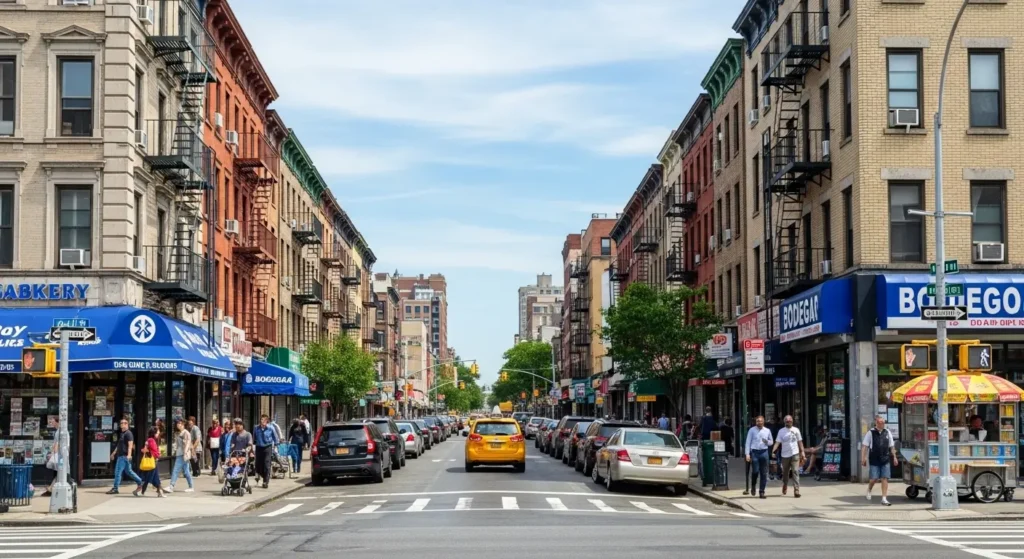
Queens
Average Costs:
- 1BR Rent: $2,000-$3,000
- Monthly Expenses (excluding rent): $1,700-$2,300
- Required Salary (single): $65,000-$100,000
- Commute Time: 35-60 minutes to Manhattan
Pros:
- Best overall value
- Most diverse borough
- Authentic ethnic food everywhere
- More spacious apartments
- Good transit access (most areas)
- Family-friendly
- Lower stress
Cons:
- Longer commutes
- Less nightlife than Manhattan/Brooklyn
- Fewer “trendy” areas
- More car-friendly (sometimes necessary)
- Less walkable neighborhoods
Best For:
- Families ($100,000-$160,000)
- Budget-conscious singles/couples
- Food enthusiasts
- People wanting space without breaking bank
- Those okay with commute
Recommended Neighborhoods:
Best Value ($1,700-$2,400):
- Jackson Heights: $1,700-$2,200 (incredibly diverse, great food)
- Elmhurst: $1,800-$2,300 (central location)
- Flushing: $1,800-$2,400 (Asian food paradise)
- Woodside: $1,900-$2,400 (Irish pubs, quiet)
- Ridgewood: $2,000-$2,600 (bordering Brooklyn)
Mid-Range ($2,200-$3,200):
- Astoria: $2,400-$3,200 (very popular, Greek heritage)
- Sunnyside: $2,200-$2,900 (garden apartments)
- Forest Hills: $2,300-$3,100 (suburban feel)
- Rego Park: $2,200-$2,900 (shopping access)
Higher-End ($3,000+):
- Long Island City: $3,000-$4,200 (waterfront, new buildings)
The Bronx
Average Costs:
- 1BR Rent: $1,600-$2,400
- Monthly Expenses (excluding rent): $1,600-$2,100
- Required Salary (single): $55,000-$85,000
- Commute Time: 45-75 minutes to Manhattan
Pros:
- Lowest rents in NYC
- Maximum space for money
- Improving neighborhoods
- Great parks (Pelham Bay, Bronx Zoo)
- Authentic NYC neighborhoods
- Strong communities
Cons:
- Longest commutes
- Limited trendy dining/nightlife
- Some safety concerns (area-dependent)
- Less convenient transit
- Fewer young professional amenities
Best For:
- Budget-constrained individuals/families
- Long-term NYC residents
- Those prioritizing space over commute
- Car owners
- People with Bronx-based jobs
Recommended Neighborhoods:
- Riverdale: $2,200-$3,400 (suburban, safe, family-friendly)
- Fordham: $1,700-$2,300 (near universities)
- Pelham Bay: $1,800-$2,400 (spacious, park access)
- Parkchester: $1,700-$2,200 (planned community)
Staten Island
Average Costs:
- 1BR Rent: $1,500-$2,200
- Monthly Expenses (excluding rent): $2,000-$2,600 (includes car)
- Required Salary (single): $65,000-$95,000
- Commute Time: 60+ minutes to Manhattan
Pros:
- Lowest costs
- Suburban lifestyle
- Parking available
- Good schools
- Less crowded
- House/yard possible
Cons:
- Very limited transit
- Car absolutely necessary
- Isolated from rest of NYC
- Ferry commute required for Manhattan
- Limited cultural amenities
- Minimal nightlife
Best For:
- Families with cars
- Retirees
- People working remotely or on Staten Island
- Those wanting suburban life with NYC connection
- Budget: $70,000-$110,000
Reality: Staten Island lifestyle resembles suburban New Jersey more than typical NYC living. The cost of living in New York equation here includes car expenses but saves significantly on housing.
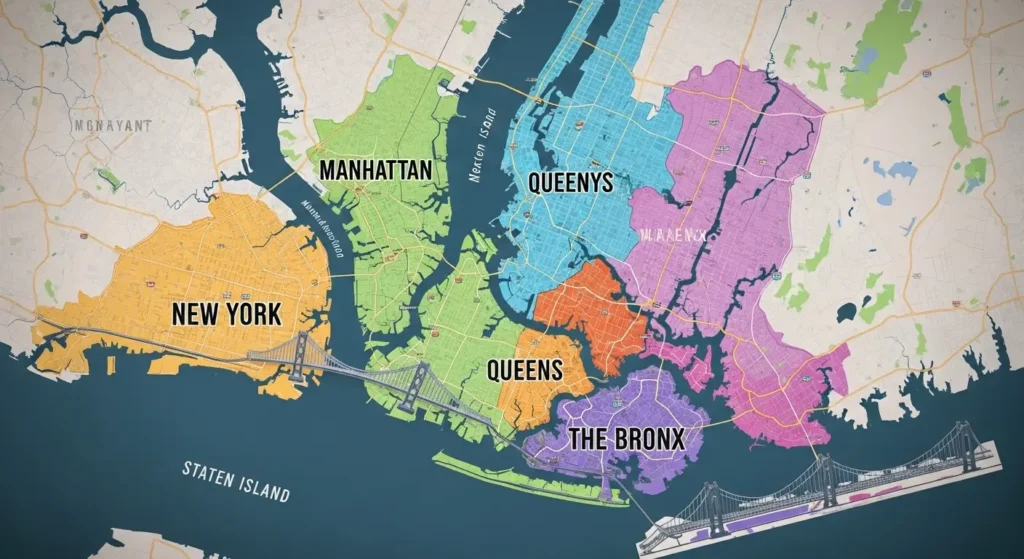
Borough Summary Comparison
| Factor | Manhattan | Brooklyn | Queens | Bronx | Staten Island |
|---|---|---|---|---|---|
| Housing Cost | Highest | High | Moderate | Low | Lowest |
| Total Monthly | $6,000-$8,200 | $4,500-$6,800 | $3,700-$5,300 | $3,200-$4,500 | $3,500-$4,800 |
| Space | Smallest | Medium | Large | Largest | Largest |
| Commute | None | 20-50 min | 30-60 min | 40-75 min | 60+ min |
| Car Need | None | Optional | Optional | Helpful | Required |
| Lifestyle | Urban | Urban | Mixed | Residential | Suburban |
| Best For | $150K+ | $80K-$140K | $65K-$110K | $55K-$90K | $70K-$100K |
Frequently Asked Questions
Cost and Affordability
What salary do I need to live comfortably in NYC?
For a single person, “comfortable” living requires $75,000-$95,000 gross income. This allows a one-bedroom in a decent neighborhood, ability to save, occasional dining out, and some entertainment without constant budget stress. At $100,000+, you can live well. Below $65,000, you’ll need roommates or live in outer boroughs with a tight budget.
For couples, $140,000-$180,000 combined provides comfortable living. Families of four need minimum $170,000-$220,000 to avoid financial stress.
Is $100,000 a good salary in NYC?
Yes, but context matters. As a single person, $100,000 provides a comfortable lifestyle—you can afford a one-bedroom in most Brooklyn/Queens neighborhoods, save money, enjoy the city, and build wealth. Take-home is approximately $69,000/year or $5,750/month.
However, if you’re supporting a family on $100,000, it’s challenging. A couple earning $100,000 combined will struggle with a tight budget. Location and lifestyle expectations matter significantly.
Can I afford to live in Manhattan on my salary?
Generally, you need $120,000+ to afford Manhattan solo. With roommates, $70,000-$90,000 works. The minimum rent for a studio in a safe Manhattan neighborhood with decent amenities is $2,800-$3,200, requiring approximately $100,000+ gross income to stay within reasonable housing-cost guidelines.
Northern Manhattan (Harlem, Washington Heights, Inwood) is more affordable at $80,000-$100,000 for a solo resident.
What’s the cheapest borough to live in?
The Bronx has the lowest rents, followed by Staten Island and Queens. However, “cheapest” doesn’t always mean “best value.”
Best Value Rankings:
- Queens: Best combination of price, space, transit, and lifestyle
- The Bronx: Lowest prices, but longer commutes
- Staten Island: Low rent but car required (adds $12,000-$18,000/year)
- Brooklyn: Good value in specific neighborhoods, but gentrification pushing prices up
- Manhattan: Highest costs, but proximity premium
How much should I budget monthly excluding rent?
- Single person: $1,600-$2,200
- Couple: $2,800-$3,800
- Family of four: $4,800-$6,500
This includes food, transportation, healthcare, utilities, entertainment, and miscellaneous expenses.
Is NYC more expensive than San Francisco or LA?
NYC and San Francisco are nearly identical in overall cost, with NYC slightly higher. LA is about 15-20% cheaper than NYC overall, though specific neighborhoods can be comparable.
Housing costs are similar in NYC and SF, but NYC’s income taxes are higher. LA has lower rent but requires car ownership. All three cities are extremely expensive by national standards.
How much do I need for move-in costs?
For a $3,000/month apartment:
- Security deposit: $3,000
- First month: $3,000
- Broker fee: $4,500 (if applicable)
- Application/credit: $150-$300
- Moving costs: $500-$2,000
- Total: $11,150-$12,800
Budget at least 4-5 months of rent for move-in expenses with a broker, or 2.5-3 months for no-fee apartments.
What’s a realistic food budget?
Single person cooking most meals: $500-$700/month Balanced approach: $800-$1,100/month Frequent dining out: $1,200-$1,800/month
Families of four: $1,300-$2,000/month depending on dining habits.
How much does it cost to own a car in NYC?
Total annual cost: $14,000-$30,000 depending on borough
Monthly breakdown:
- Payment/lease: $350-$650
- Insurance: $220-$400
- Gas: $180-$280
- Parking: $250-$650
- Maintenance: $100-$200
- Tolls: $60-$250
- Total: $1,160-$2,430/month
Are utilities included in rent?
Sometimes. Most apartments include water/sewer, but you pay for:
- Electricity: $80-$250/month
- Gas/heat: $30-$160/month (seasonal)
- Internet: $60-$100/month
Always clarify with landlord what’s included.
Neighborhoods and Housing
Which neighborhoods offer the best value?
Top Value Neighborhoods:
- Astoria, Queens: Great food, transit, community ($2,400-$3,200 for 1BR)
- Sunnyside, Queens: Quiet, safe, affordable ($2,200-$2,900)
- Jackson Heights, Queens: Diverse, cheap, excellent food ($1,700-$2,200)
- Sunset Park, Brooklyn: Improving, spacious, affordable ($1,800-$2,400)
- Bed-Stuy, Brooklyn: Hip but still reasonable ($2,400-$3,100)
Should I use a broker or find no-fee apartments?
Use Broker When:
- You’re new to NYC
- You have specific requirements
- You have limited time
- You want access to more listings
Go No-Fee When:
- You’re budget-constrained
- You have time to search
- You know neighborhoods well
- You’re willing to do the legwork
No-fee apartments save $3,000-$6,000 but require more effort to find.
What’s the rent difference between Manhattan and Brooklyn?
Average 1BR:
- Manhattan: $3,800-$5,200
- Brooklyn (popular areas): $2,800-$4,200
- Difference: $1,000-$1,500/month
However, specific neighborhoods overlap (Williamsburg costs similar to many Manhattan areas).
Can I negotiate rent in NYC?
Sometimes, especially:
- Winter months (January-February)
- Units vacant for 30+ days
- Buildings offering concessions
- When offering longer lease
- In slow market conditions
What is rent stabilization?
Rent-stabilized apartments have limited annual rent increases (typically 2-4%) and strong tenant protections. About 1 million NYC apartments are rent-stabilized. Tenants can verify status and have rights to lease renewals. Not the same as rent control (which is much rarer).
Is it better to rent or buy in NYC?
Rent If:
- You’re earning under $150,000
- You have less than $150,000 saved
- You plan to stay less than 5-7 years
- You want flexibility
- You don’t want maintenance responsibilities
Buy If:
- You’re earning $180,000+ ($250,000+ for Manhattan)
- You have 20% down payment + 6 months expenses
- You plan to stay 7-10+ years
- You want to build equity
- You’re ready for maintenance costs
The NYC market favors renting for most people under 35.
Best neighborhoods for families?
Brooklyn:
- Park Slope: Excellent schools, kid-friendly
- Cobble Hill: Safe, community-oriented
- Windsor Terrace: Quiet, near park
Queens:
- Forest Hills: Suburban feel, good schools
- Bayside: Safe, spacious, family-oriented
- Kew Gardens: Quiet, affordable, good schools
Manhattan:
- Upper West Side: If you can afford it
- Inwood: More affordable, family-friendly
How much space can I afford on my salary?
$60,000 salary ($4,000/month net):
- Studio outer borough or roommate situation
- Budget: $1,600-$2,000
$90,000 salary ($6,000/month net):
- 1BR outer borough or studio better area
- Budget: $2,400-$2,800
$120,000 salary ($8,000/month net):
- 1BR good area or 2BR outer borough
- Budget: $3,200-$3,800
$180,000 salary ($12,000/month net):
- 1BR prime Manhattan or 2BR Brooklyn
- Budget: $4,500-$5,500
Do I need a guarantor to rent?
Many landlords require income of 40x monthly rent. If you don’t qualify:
- Guarantor: Someone earning 80x monthly rent
- Insurent: Guarantor insurance service ($1,200-$3,500)
- Larger deposit: Offer 3-6 months upfront
- No-guarantor buildings: Exist but limited
Transportation
Do I need a car in NYC?
Most people don’t. You need a car if:
- You live in Staten Island
- You live in outer Queens/Bronx with poor transit
- You have multiple young children
- Your job requires one
- You frequently travel outside NYC
Otherwise, the $15,000-$30,000 annual cost isn’t worth it.
How much is a monthly MetroCard?
Current unlimited pass: $132/month
However, with OMNY (tap-to-pay), rides are capped at 12 per week ($34.80), then free. Heavy users might save money with OMNY vs. unlimited pass.
What’s the average commute time?
To Midtown Manhattan:
- Manhattan residents: 10-30 minutes
- Brooklyn: 25-50 minutes
- Queens: 35-60 minutes
- Bronx: 40-75 minutes
- Staten Island: 60-90 minutes
These vary significantly by specific neighborhood and transit access.
Is Uber/Lyft cheaper than owning a car?
Dramatically cheaper. Even if you take 40 Uber rides per month at $20 average:
- Uber cost: $800/month
- Car ownership: $1,200-$2,500/month
Plus no parking hassles, insurance, maintenance, or depreciation.
How does Citi Bike work and is it worth it?
Annual Membership: $205/year ($17/month) Includes: Unlimited 45-minute rides
Worth it if you:
- Live/work near stations
- Bike 3+ times per week
- Want exercise in commute
- Live in covered area (Manhattan below 125th, parts of Brooklyn/Queens)
Savings vs. monthly MTA pass: You’ll break even at about 8 rides/month.
Lifestyle and Daily Living
How much does dining out cost?
Quick meal: $12-$18 Casual restaurant: $25-$45 per person Mid-range dinner: $50-$85 per person with drinks Fine dining: $120-$300+ per person
Average NYC resident: $400-$800/month on dining out
What are the best free things to do?
- Walking the High Line
- Free museum hours (many museums offer these)
- Central Park/Prospect Park
- Brooklyn Bridge walk
- Summer concerts (SummerStage, Prospect Park)
- Shakespeare in the Park
- Staten Island Ferry (views, free)
- Street fairs and festivals
- Library events
- Governors Island (summer)
NYC offers incredible free activities if you know where to look.
How much should I budget for entertainment?
Minimal: $150-$250/month Moderate: $400-$700/month Active social life: $1,000-$1,800/month
This includes gym, streaming, outings, events, and social activities.
What’s the sales tax rate?
8.875% on most purchases
Exceptions:
- Groceries: No tax
- Clothing/footwear under $110: No tax
- Prescription drugs: No tax
You’ll pay sales tax on restaurants, retail, services, and most consumer goods.
Work and Income
What’s the average salary in NYC?
Median household income: $76,000 However, this varies dramatically by:
- Borough (Manhattan highest, Bronx lowest)
- Industry (finance/tech higher, service lower)
- Experience level
To live comfortably as single person: Aim for $75,000-$100,000+ For families: $150,000-$200,000+
How much do I take home after taxes?
Rough guidelines:
- $50,000 gross: $38,000 net (76%)
- $75,000 gross: $54,000 net (72%)
- $100,000 gross: $69,000 net (69%)
- $150,000 gross: $97,000 net (65%)
- $200,000 gross: $129,000 net (64.5%)
NYC residents pay federal + state + city taxes, reducing take-home significantly.
What are NYC income tax rates?
NYC residents pay:
- Federal: 10-37%
- NY State: 4-10.9%
- NYC: 3.078-3.876%
Combined effective rates: 25-45% depending on income.
Can I afford NYC on minimum wage?
NYC minimum wage: $16/hour Annual gross (full-time): $33,280 Take-home: Approximately $26,000 ($2,167/month)
Reality: This is extremely difficult. You would need:
- Roommates in outer borough
- Public assistance programs
- Very tight budget
- Second job or side income
This income level requires serious financial discipline and lifestyle constraints.
Do I pay more taxes living in NYC vs. suburbs?
Yes. NYC residents pay city income tax (3-4%) that suburban residents don’t. However:
- Suburban property taxes are often higher
- Suburban car expenses add $12,000-$20,000/year
- Overall cost difference is complex
NYC proper is more expensive overall, but suburban life isn’t dramatically cheaper when factoring in all costs.
Families and Children
How much does childcare cost?
Full-Time Daycare:
- Infant (0-1): $2,200-$3,800/month
- Toddler (1-3): $1,900-$3,200/month
- Preschool (3-4): $1,600-$3,000/month
Free Options:
- Universal Pre-K (4-year-olds): Free
- 3-K Program (3-year-olds): Free in many areas
This is often the biggest shock for families considering the cost of living in New York.
Are public schools good in NYC?
Highly variable by neighborhood. Some of the best public schools in America are in NYC (specialized high schools, gifted programs), while others struggle.
Research specific schools using:
- GreatSchools.org ratings
- DOE school reports
- Parent reviews
- Test scores
Many middle-class families successfully use public schools, supplemented with enrichment programs.
How much does it cost to raise kids in NYC?
One child annually:
- Childcare/school: $12,000-$40,000
- Food: $2,500-$4,000
- Clothing: $800-$1,500
- Healthcare: $1,500-$3,000
- Activities: $1,200-$3,000
- Total: $18,000-$51,500
This doesn’t include housing (need larger apartment) or opportunity costs.
Is NYC family-friendly?
Yes, despite the challenges. NYC offers:
- World-class museums
- Excellent parks
- Free cultural events
- Diverse educational opportunities
- Strong communities in family neighborhoods
Challenges include:
- High costs
- Small living spaces
- Childcare expenses
- School competition
Many families thrive here, but it requires financial resources and adaptability.
What salary does a family of four need?
Minimum survival: $120,000-$150,000 Comfortable: $180,000-$230,000 No financial stress: $280,000-$350,000+
The childcare years (0-5) are most expensive. Costs decrease when both kids are in free public school.
Final Thoughts: Is the Cost of Living in New York Worth It?
After examining every aspect of the cost of living in New York, the final question remains: Is it worth it?
The Honest Assessment
New York City is expensive—there’s no sugarcoating it. You’ll pay more for rent, food, services, and nearly everything compared to other American cities. The triple taxation (federal, state, city) significantly reduces your take-home pay. Small apartments, long commutes, and constant noise are real challenges.
But here’s what the numbers don’t capture:
The NYC Premium Buys You:
- Access to world-class culture, food, and entertainment
- Career opportunities that don’t exist elsewhere
- A car-free lifestyle (saves $15,000-$30,000 annually)
- Walkability and public transit infrastructure
- Diversity of experiences unmatched anywhere
- The energy and possibility that drew you here
Who Should Pay the NYC Premium?
NYC Makes Sense If:
- Your career significantly benefits from being here (finance, media, tech, arts, fashion)
- You earn enough to live comfortably ($80,000+ single, $150,000+ family)
- You value experiences over space
- You thrive in urban density
- You hate driving and want walkable lifestyle
- The cultural offerings genuinely enhance your life
Consider Alternatives If:
- You’re here “just because”
- You’re constantly stressed about money
- You dream of a house with a yard
- You work remotely with location flexibility
- You rarely take advantage of NYC’s offerings
- You’re sacrificing important life goals for location
Making It Work
If you decide NYC is worth it:
- Be Strategic About Housing: Location choice affects everything. One subway stop can save $500/month.
- Embrace Public Transit: Ditching a car saves $15,000-$30,000 annually—the single biggest cost reduction.
- Cook Most Meals: Dining out daily will break your budget. Learn to meal prep.
- Use Free Resources: NYC offers incredible free activities, museums, concerts, and entertainment.
- Live Below Your Means: Don’t inflate lifestyle with every raise. Save the difference.
- Choose Your Luxuries: You can’t afford everything in NYC. Pick what matters most (location vs. space, dining out vs. entertainment, etc.).
- Build Emergency Fund: NYC life is unpredictable. Having 6 months expenses saved provides peace of mind.
The Long-Term Perspective
Many people come to NYC for a few years, build their career, enjoy the experience, and then leave for more affordable cities. This is a perfectly valid strategy. You don’t have to stay forever to benefit from being here.
Others stay for decades, raise families, and build lives here despite the costs. They’ve decided the premium is worth what they receive in return.
Your Next Steps
Calculate Your Personal Budget: Use the examples in this guide to build your specific budget based on:
- Your income and take-home pay
- Your housing preferences and location priorities
- Your lifestyle choices and values
- Your family situation
Research Neighborhoods: Use the borough and neighborhood breakdowns to identify areas that match your budget and priorities.
Be Realistic: Don’t move to NYC hoping to “figure it out.” Have a plan, a budget, and realistic expectations about the cost of living in New York.
Stay Flexible: Your first NYC apartment probably won’t be perfect. You might start in a less desirable area or with roommates. That’s normal and temporary.
The Bottom Line
The cost of living in New York is high—among the highest in the world. But for many people, the experience, opportunities, and lifestyle justify the premium. The key is going in with eyes open, making strategic choices, and honestly assessing whether the investment aligns with your goals and values.
NYC isn’t for everyone, and that’s okay. But for those who choose to be here, understanding the true costs and managing them strategically makes the difference between struggling and thriving.
Welcome to New York. Budget wisely, choose strategically, and enjoy everything this incredible city offers.